

In today's highly modernized and technology-intensive automotive manufacturing sector, CNC machining technology plays an extremely crucial role. Its application scope is extensive, as it is deeply integrated into all links of automobile production, effectively driving the continuous advancement of automotive manufacturing technolo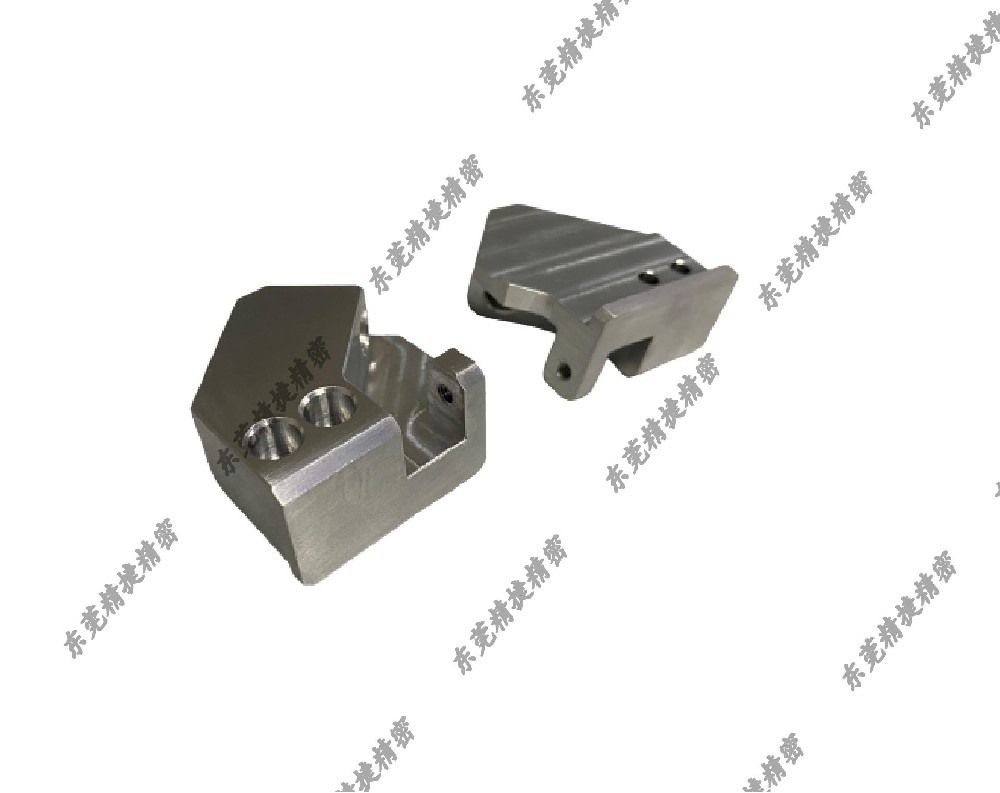
As the "heart" of an automobile, the manufacturing precision of the engine's core components is directly related to the vehicle's performance. Components such as the engine block, cylinder head, and crankshaft have extremely strict requirements for precision and quality. Taking the engine block as an example, CNC machining centers can accurately create the bore diameter, flatness of each cylinder, and the intricate internal oil and water channel systems based on precise programming and tool path control. In this way, the dimensional tolerance of each cylinder is controlled within an extremely small range, laying a solid foundation for the engine's stable power output and excellent fuel economy.
The crankshaft, a key moving component of the engine, has indicators such as surface roughness, journal cylindricity, and dynamic balance performance that directly affect the engine's reliability and stability. CNC grinders and machining centers can perform high-precision grinding and milling on it to meet strict technical requirements, ensuring the engine operates smoothly and efficiently at high speeds.
CNC machining technology is also indispensable in automobile body manufacturing. The production of dies for body panels is a crucial link in this process, as these dies typically feature complex curved surfaces and demand high-precision dimensions. CNC machining technology can accurately transform the designed die shapes into actual metal dies. By employing processes such as high-speed milling and electrical discharge machining, it produces die cavities and cores with smooth surfaces and extremely high precision. This not only ensures that body panels have excellent forming accuracy and surface quality during stamping, resulting in sleek and aesthetically pleasing automobile body lines, but also improves the assembly precision and overall structural strength of the body.
Components in the automobile chassis system, such as suspension arms and steering knuckles, need to withstand various forces and vibrations during vehicle operation, thus requiring high strength and precision. CNC machining can ensure that the dimensional accuracy and geometric tolerances of these components meet design requirements, enhancing their mechanical performance and reliability, thereby improving vehicle handling stability and driving safety.
CNC machining technology also plays a significant role in enhancing production efficiency in automobile manufacturing. It enables automated and continuous processing, significantly reducing errors caused by manual operations and uncertainties in production cycles. Moreover, when integrated with advanced production management systems, it allows for real-time monitoring and optimized adjustment of the machining process, improving equipment utilization and production efficiency to meet the growing demands of the automotive market.
It can be said that CNC machining technology has become a powerful driving force for the development of the automotive manufacturing industry. From improving the precision and quality of components, optimizing body manufacturing processes, to enhancing the overall performance and production efficiency of automobiles, it comprehensively assists the automotive industry in making significant strides towards intelligence, high efficiency, and high quality. With the continuous advancement of science and technology, CNC machining technology is expected to play an even more critical role in the field of automobile manufacturing, spawning more innovative achievements and meeting the ever-evolving needs of the market and consumers.