

Precision parts processing is one of the indispensable links in modern industry. However, material selection is critical to ensuring precision part processing quality and performance. When faced with the challenge of numerous material options, choosing the right one becomes a difficult problem. This article will explore material selection issues in precision parts processing and provide solutions.
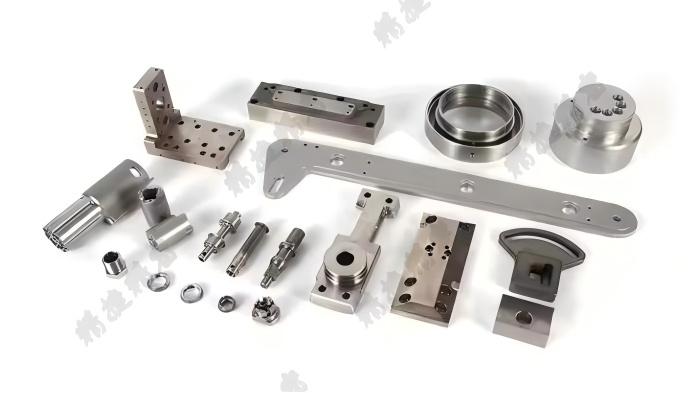
The importance of material selection
The choice of a material directly affects the quality and performance of the final product. In the processing of precision parts, materials must have the following characteristics: high strength, low thermal expansion coefficient, corrosion resistance, good thermal conductivity, etc. Additionally, factors such as manufacturing cost, availability, and environmental friendliness need to be taken into consideration. Therefore, careful selection of the right material is a critical step in ensuring successful part machining.
Common materials and their properties
1. Stainless steel
Stainless steel is one of the materials widely used in precision parts processing. It has good corrosion resistance, mechanical strength and high temperature stability. Stainless steel is suitable for processing parts that require tensile, compressive and cutting resistance, and is easy to process and clean.
2. Aluminum alloy
Aluminum alloys have lower density and excellent thermal conductivity, making them an important choice. It is suitable for applications requiring lightweight and high thermal conductivity. However, aluminum alloys are less strong and may require additional measures to enhance their mechanical properties.
3. Titanium alloy
Titanium alloy is a high-strength, low-density material with excellent corrosion resistance. It is suitable for precision parts processing requiring high mechanical properties, low weight and good corrosion resistance.
4. Carbide
Carbide is composed of metal carbides and bonded metals and has extremely high hardness and wear resistance. It is suitable for processing precision parts that have extremely high requirements on material strength and wear resistance.
How to deal with material selection challenges?
Faced with many material choices, the following suggestions can help you solve the material selection problem:
1. Fully understand material properties: Study the properties of different materials and how they perform in specific applications to determine which material is best for your precision part processing needs.
2. Seek professional advice: Consult a materials expert or utilize professional software for material selection, who can provide the best advice based on your specific needs.
3. Experimental verification: Verify the suitability of the selected materials through sample production and experimental testing. This helps determine the material's performance and stability under expected operating conditions.
4.Continuous Improvement: Precision parts processing is a constantly evolving field where new materials and technologies keep emerging. Regularly pay attention to industry trends and carry out continuous improvement to adapt to the application of new materials and new processes.
Through reasonable material selection, you can overcome the difficulties in material selection during the precision parts processing and obtain high-quality and high-performance finished products. Strengthening the research and practice of material selection will promote the innovation and development of the precision parts processing industry.
Jingjie Precision is an enterprise specialized in the design and manufacturing of tooling fixtures and industrial automation (non-standard) equipment. Its products cover industries such as aviation, medical treatment, communications, optics, semiconductors, electronics, automation and automobiles.