

The processing technology of aerospace materials in the manufacturing process has always been an important research area. In recent years, with the advancement of CNC machine tool technology, significant breakthroughs have been made in the processing of many traditional materials. However, for aerospace materials, whether CNC machining technology can be used for processing is still a matter of great concern.
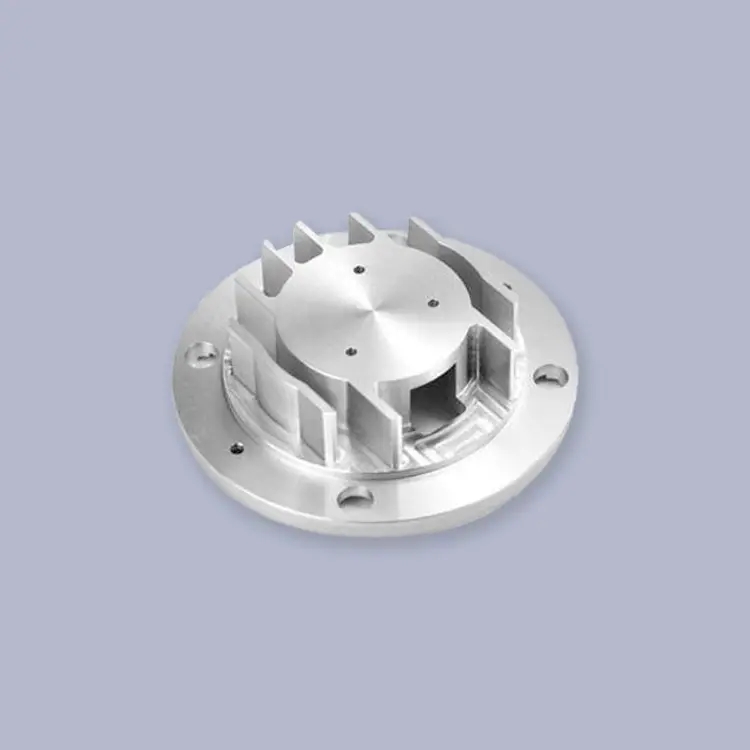
First, we need to understand the basic principles of CNC machining technology. CNC machining refers to a processing method that uses a computer numerical control system to control machine tools for processing operations. It has the characteristics of high precision, high efficiency and high consistency, and has been widely used in the processing of traditional materials. However, the processing of aerospace materials is relatively difficult and requires very high requirements on machine tools, cutting tools and processes. Therefore, before adopting CNC processing technology, its feasibility needs to be carefully evaluated.
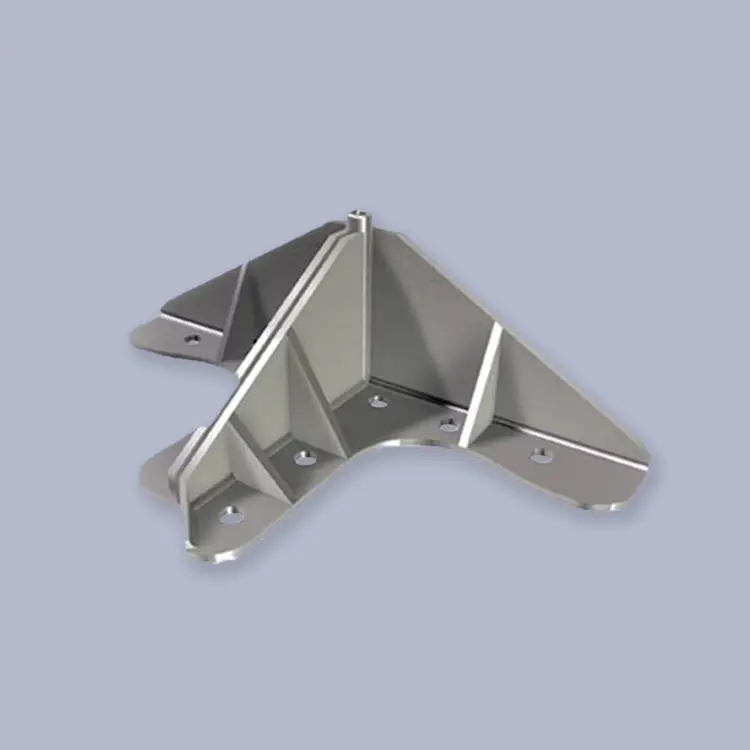
Then, let’s look at the characteristics of aerospace materials. Aerospace materials usually have the characteristics of high strength, light weight, and high temperature resistance, such as titanium alloys, high-temperature alloys, etc. These materials are prone to problems such as tool wear and deformation during processing, requiring the processing process to be more precise and stable. At present, some traditional processing methods, such as cutting, grinding, etc., can already better meet the processing needs of aerospace materials. Although CNC machining technology has achieved great success in other fields, there are still some challenges in the processing of aerospace materials.
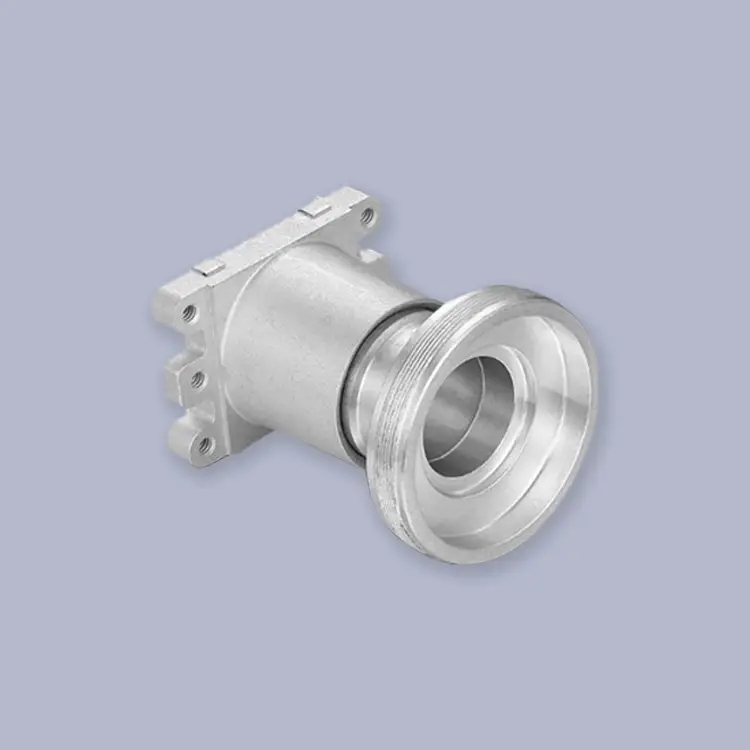
Next, let's analyze some specific issues. The first is the issue of tool selection. Due to the high hardness of aerospace materials, it is easy to cause tool wear. The second is the rigidity requirement of CNC machine tools. Processing aerospace materials requires the use of highly rigid machine tools to ensure the stability and reliability of the processing process. In addition, the processing of aerospace materials also needs to consider the optimization of process parameters and tool paths to improve processing efficiency and processing quality.
In summary, although CNC machining technology has achieved great success in some fields, there are still certain challenges and limitations in the processing of aerospace materials. Therefore, in practical applications, it is necessary to select an appropriate processing method based on specific material characteristics and processing requirements and comprehensive consideration of various factors. In the future, with the continuous development of materials science and processing technology, it is believed that there will be more new technologies and new methods used in the processing of aerospace materials. We look forward to seeing more breakthroughs and making greater contributions to the development of the aerospace industry.