
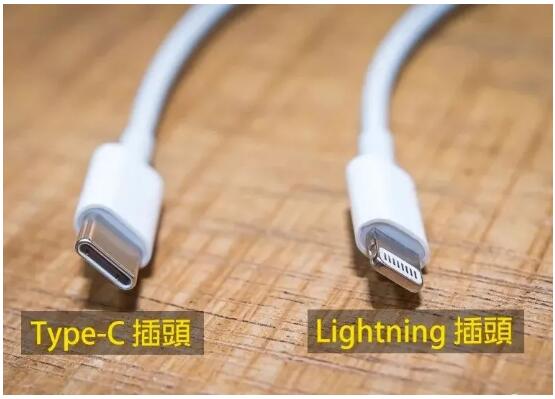
Recently, the European Commission announced a bill proposal that plans to use the USB-C interface as a universal charging interface for all electronic devices such as smartphones, tablets, cameras, earphones, speakers, and video game consoles in the European Union. After the passage of this legislation, electronic equipment manufacturers will have a two-year transition period to make relevant adjustments.
This move is to cut down on e-waste and allow customers to reuse their chargers when buying new phones, can also reduce greenhouse gases.
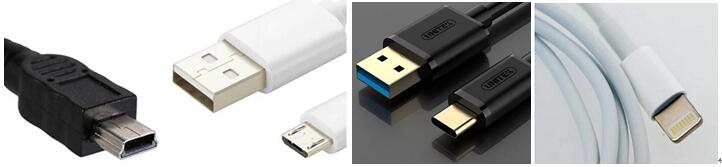
There are currently four main charging interfaces for electronic devices: Mini USB, Micro USB, USB-C and Lightning.
The EU had previously allowed companies to voluntarily adopt a shared standard, but it will now be stepping in to legislate a common charger. Other than phones, it will apply to tablets, cameras, headphones, portable speakers, and handheld videogame consoles. Manufacturers will not have to sell their chargers with devices either. In a move that companies like Apple and Samsung have already adopted, handheld portable devices could end up being sold without a charger. Finally, the EU is also pushing for a harmonized fast charging standard so that all phones would charge at the same speed when using a compatible fast charger.
After this legislation is passed, it may bring a lot of inconvenience:
▍Many designs need to be restarted
The size of each charging interface is different. If all of them are replaced with USB-C, the shell and the interior must be redesigned.
In the field of precision parts machining, whether it is a CNC milled part or a turned part, there are generally fit holes and the precision unit is μm, and minor size changes will cause problems for engineers. (Note: 1 centimeter (cm)=10,000 microns (μm))
The size of the small holes in the outer frame becomes larger, and the corresponding internal component arrangement will also change accordingly. If it cannot fit, the frame has to be larger again, which is a chain reaction.
▍Users will face charging shortage
Consumers and manufacturers are bearing the inconvenience caused by the "big change". Taking smart phones as an example, the general service life is more than 2 years, and users who have just purchased a new phone will face problems such as replacement and maintenance of related accessories. It is impossible to ensure whether there will be relevant spare parts inventory and maintenance personnel after two years. The original supplier after two years may have given up the production of "special" parts.
▍Suppliers get together to produce
On the one hand, chargers, batteries, and cables that are not compatible with USB-C are "eliminated", and suppliers' inventories are directly turned into electronic waste.
On the other hand, China is the world's factory, and most of the world's parts and components are produced in China. The EU's move may cause a sharp increase in USB-C processing orders, which in turn will cause suppliers to compete to open new production lines. Once the output is surplus, it is easy to produce e-waste, which is not a good thing for China's environmental development.
How do you think about the EU's new policy?
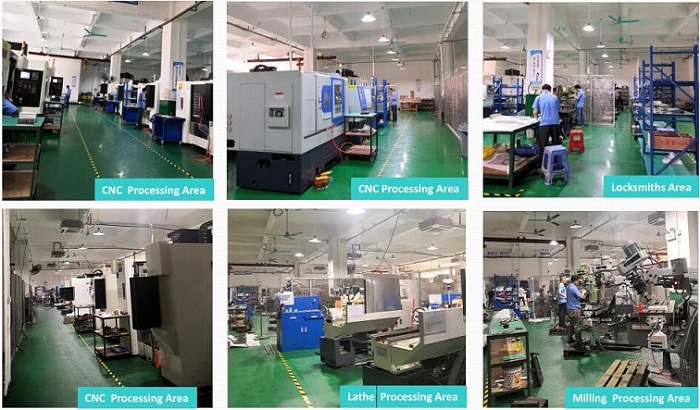
Yejia Precision Machinery Co., Ltd. specializes in CNC machining components/milling parts/grinding parts/welding parts/assembly and other precision parts processing services.
Welcome to contact Janice for more information: sales2@yejiavi.com